
— Avatar 3: Fire & Ash—
Here is a detailed breakdown of several scenes that I got to help build
T E M P L A T E A N I M A T I O N
Sequence Anim Lead | Anim Supervisor: Eric Reynolds
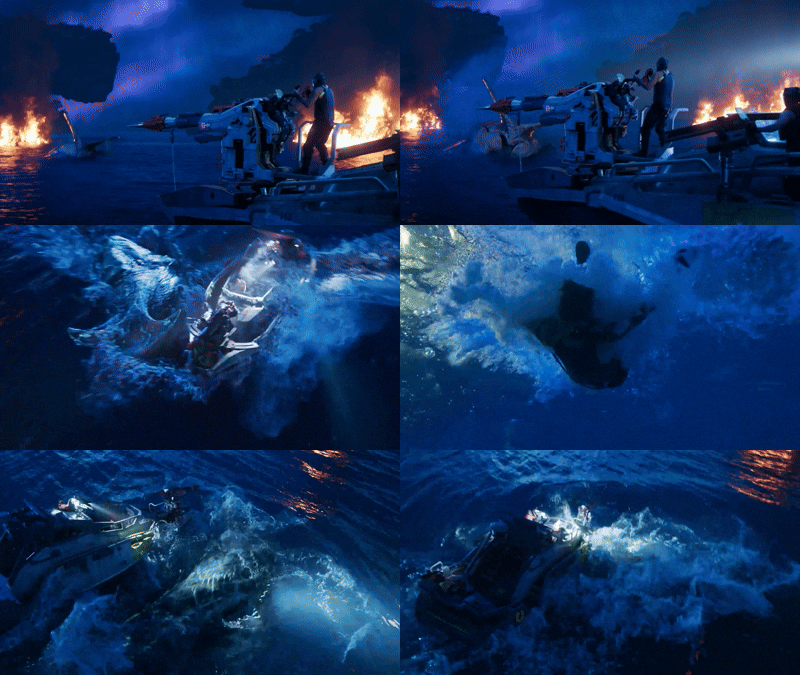
Payakan’s Revenge
Responsible for: Hero Template Creature Animation + Vehicle Animation
Animated Payakan against a live action plate and a digi doubled boat. This was tricky because the speed of the boat dictated the entire vignette. The speed determined how fast Payakan could realistically swim from a specific distance in order to hit the boat at the right time.
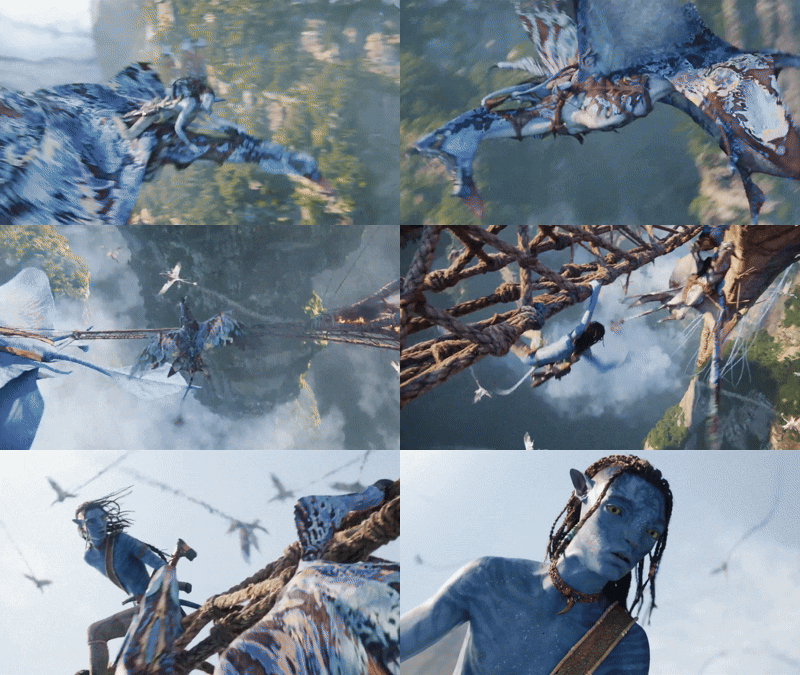
Gondola Attack: Loak Loses his Ikran
Responsible for: Hero Template Creature Animation + Rope Harness Template
The trickiest thing about this vignette was that nothing in the layout was cheated. I needed to figure out all of the creatures’ choreography and action beats in relation to the gondola traveling through space at a dictated speed. And on top of all of that, I had to work with the performance capture and make sure that what the creatures were doing complimented what the actors had done during motion capture.
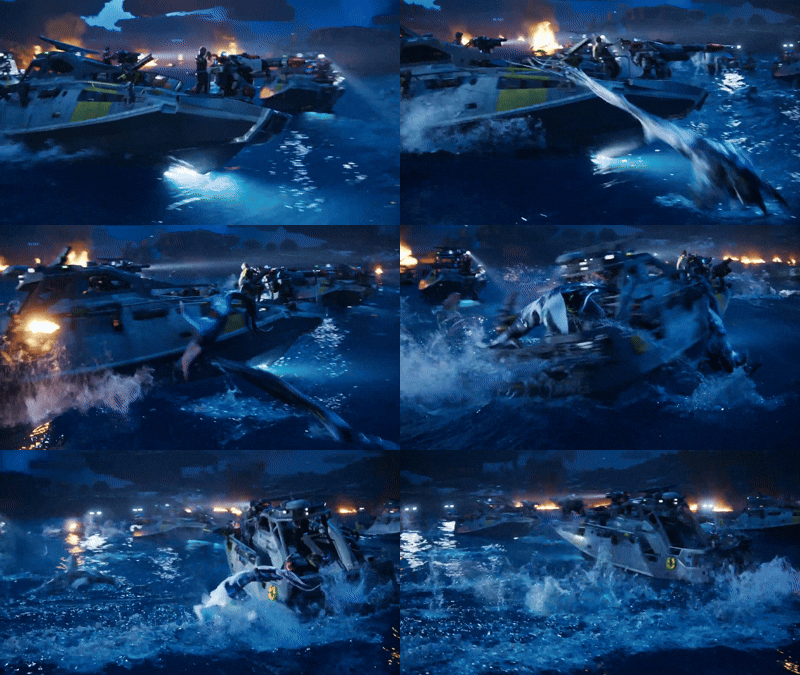
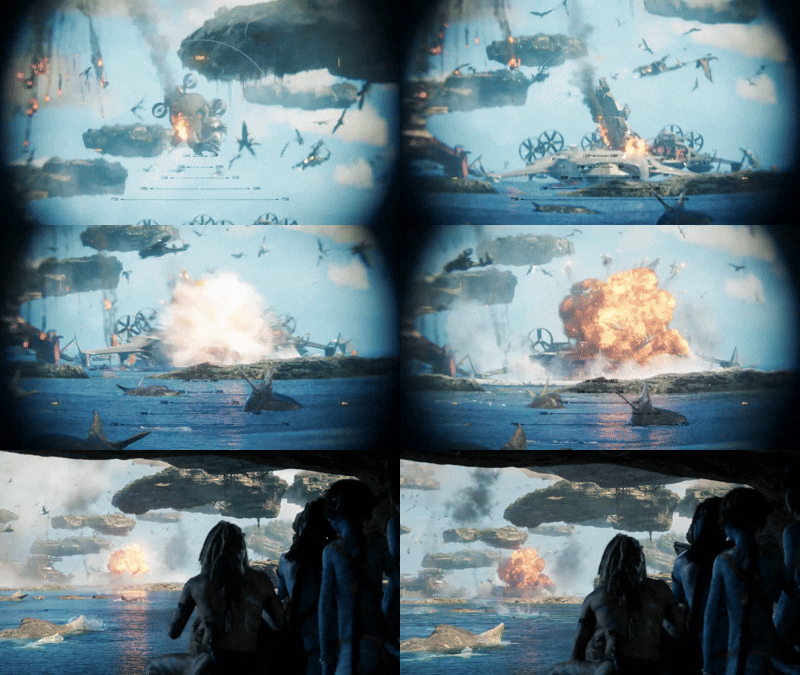
Tsyong Attack Matador
Responsible for: 2 Tsyong Attacking Boat Template Animation
Tsyong (SEE-YOUNG) were these new squid-like monsters introduced in movie 3! Tentacles are definitely one of the least fun things to animate, but once I got past that- it was fun getting to animate a creature that was so fluid, squirmy and complex all at once.
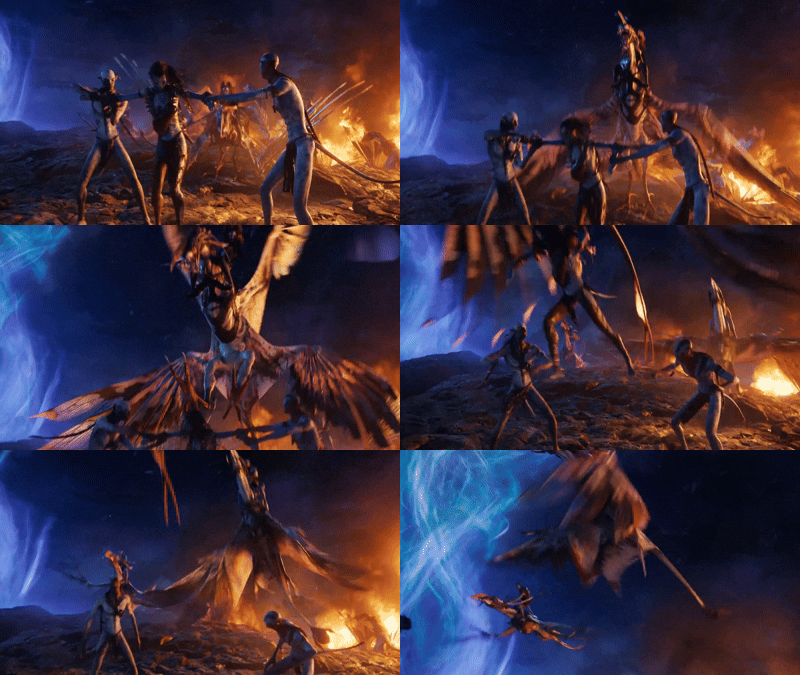
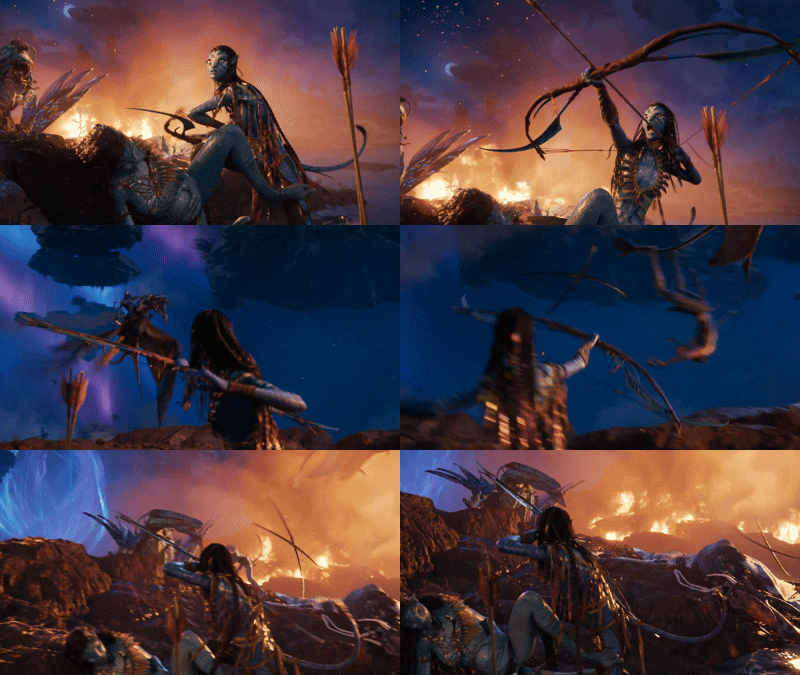
Nightwraith Grabs Neytiri
Responsible for: Ashley Take Off & Grab Template Animation
Luckily, I got to start by using my original take off animation as a template. From there, I layered in the leg animation to pick up Neytiri and then also added in some head animation to keep Ashely’s eyes her eye on the prey.
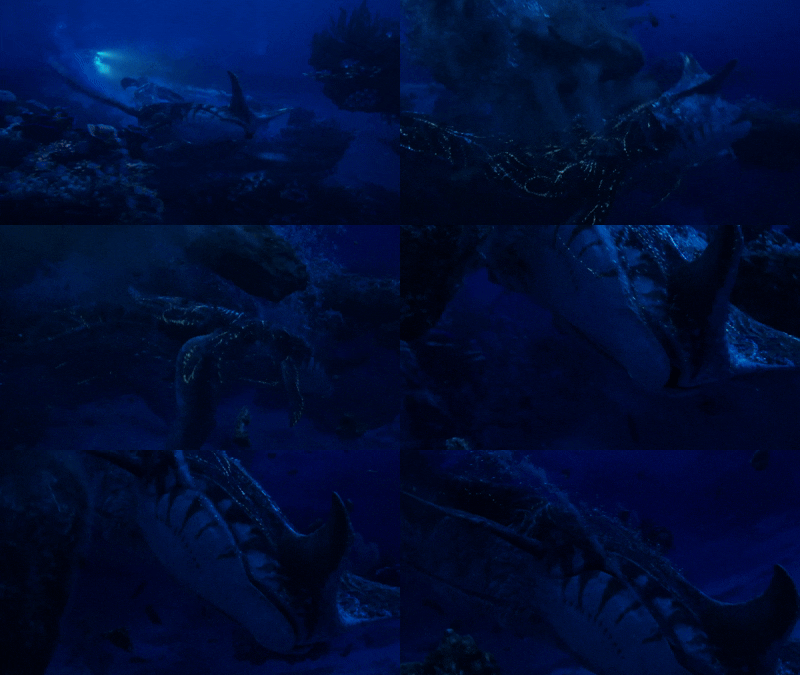
Payakan Gets Hit
Responsible for: Hero Template Creature Animation
Although this looks like a straight forward battle-action vignette, it actually required a lot more acting mechanics than I was expecting. A lot of the time I had to ask myself: how do we make the hit look convincing enough that Payakan got seriously hurt, but not so hurt that he wouldn’t be able to survive… Essentially we started very big and exaggerated, then slowly scaled back until we finally found a good balance.
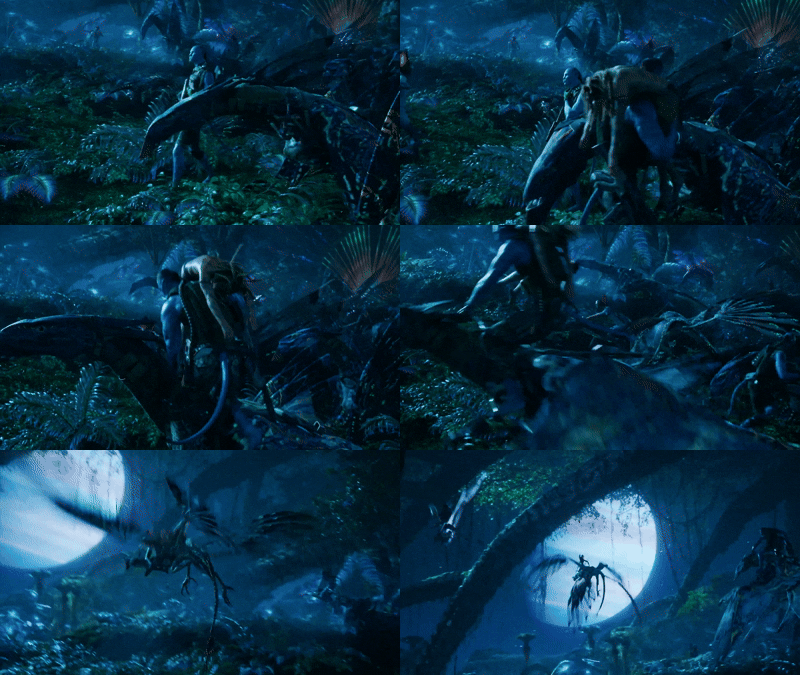
Ashley Take Off
Responsible for: Ashley Take Off Template Animation
A new creature was added for movie 3, and my Supe let me animate / dictate how her take off animation should look like! This taught me so much about scale and weight and how adding some character texture on top (like with the feet) can go a long way.
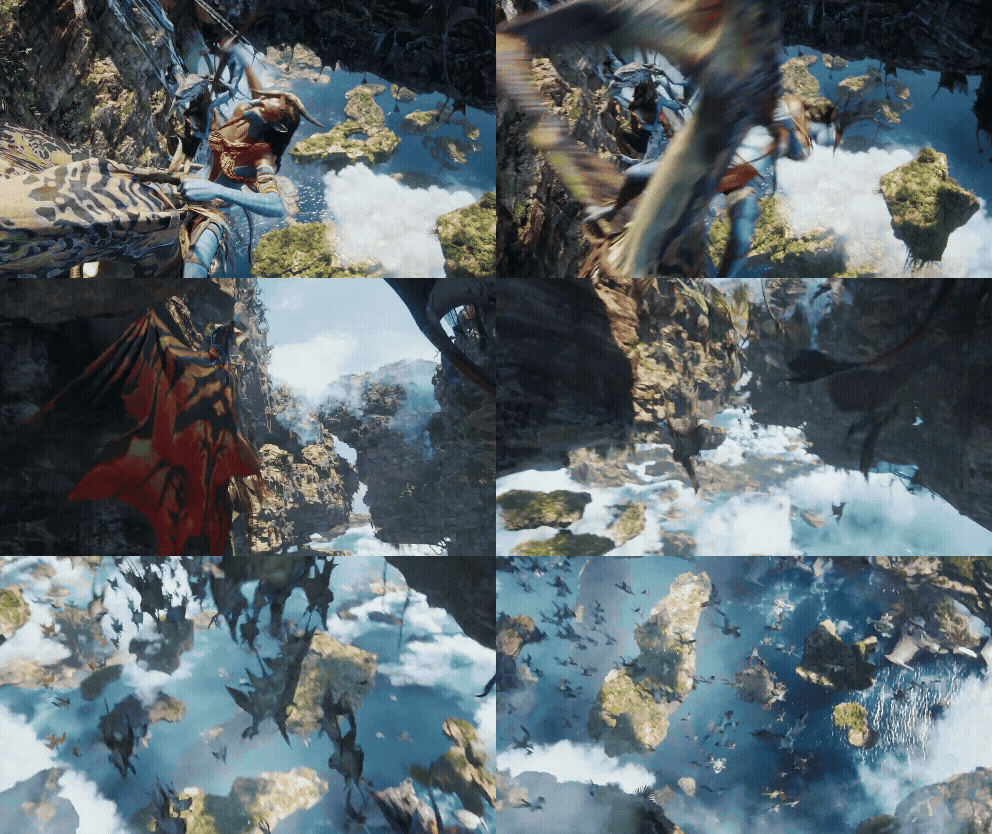
Ikran Diving Into Battle
Responsible for: Hero & BG Ikran Diving Template Animation
Although there looks like hundreds of ikran diving into battle here, I really only animated 3 different cycles (+2 hero dives for the two ikran closest to camera). Another artist then duplicated the animations and slightly offset their timing.
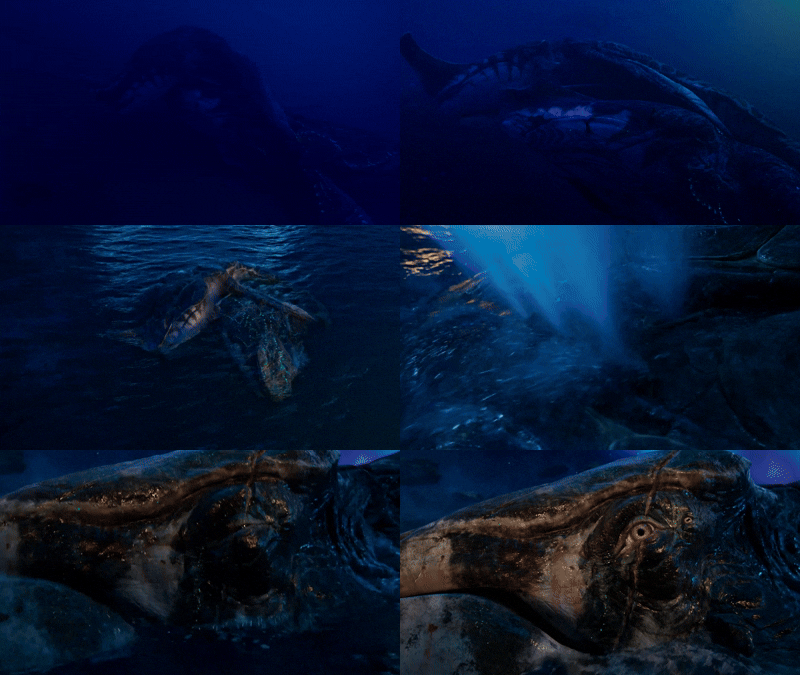
Payakan Resurrection
Responsible for: Hero Template Creature Animation
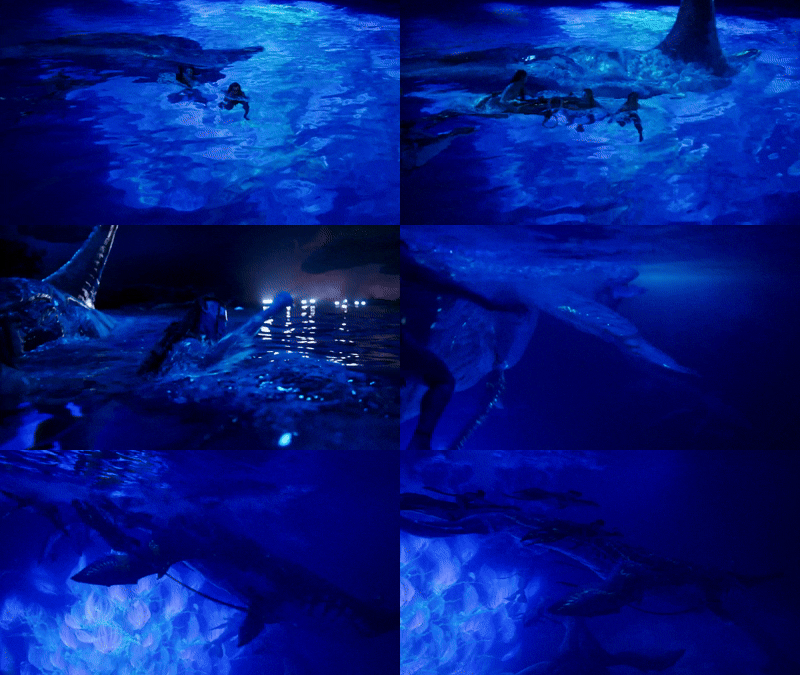
Unfortunately, the toughest part of this vignette was cut from the final which was— how would a whale pick up another whale creature from the bottom of the sea floor? From there, we then had to figure out how Tanok would get Payakan to the surface, but luckily our director had just released a docuseries about whales around that time… so we referenced a mama whale nudging her calf up to the surface for its first breath.
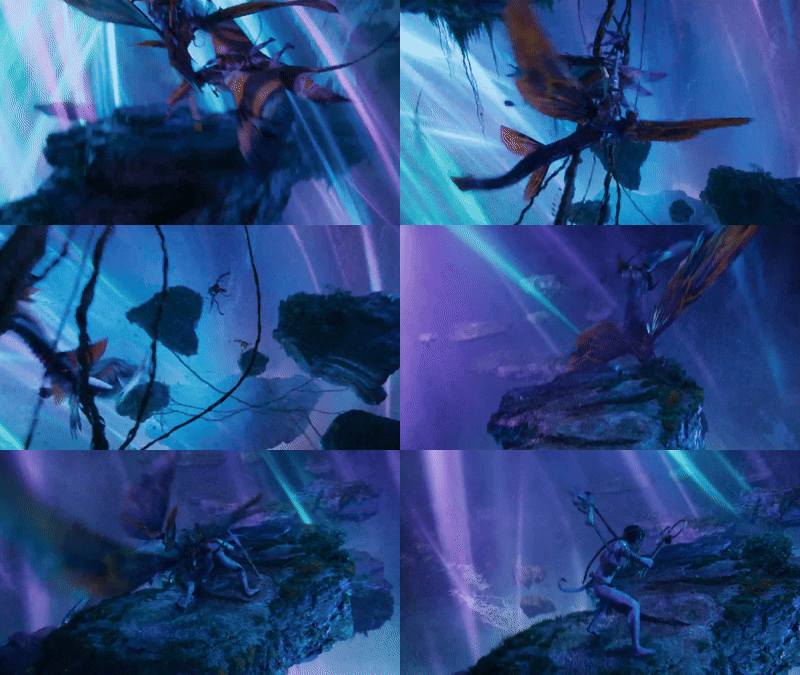
Skimwing Wipeout
Responsible for: Skimwing Template Creature Animation
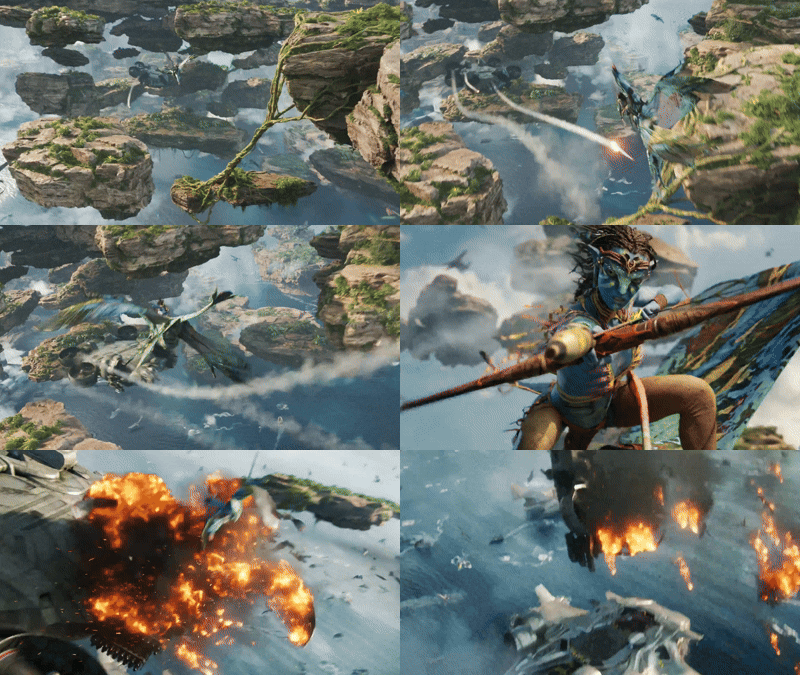
NOT SEEN: Although there are a lot of cuts in this sequence, nothing about the choreography was cheated. I needed to figure out how Jake’s Skimwing could realistically crash into the vines then tumble onto the rocks below.
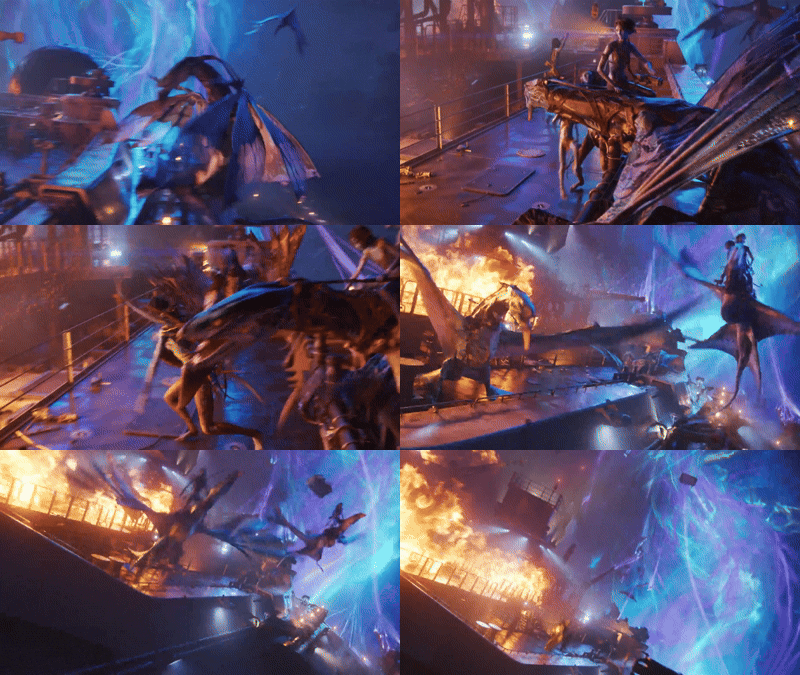
Ikran Save Sully Family
Responsible for: Neytiri & Kiri’s Ikran Template Landing & Takeoff Animation
Similar to the other take off animation I did, I started by using take off, landing and a smidge of idle animation from our creature library. This allowed me to quickly rough in the timing of all the beats. Once that was approved, I baked all the animation down, cleaned everything up, and added in layered animation to have the ikran reacting appropriately against the performance capture.
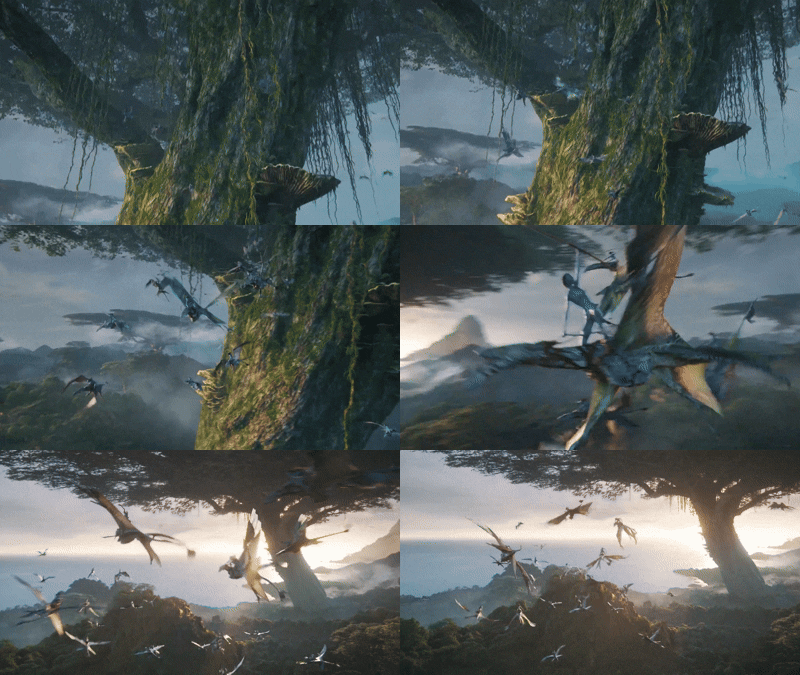
Forest Ikran Flying Into Battle
Responsible for: 5 Hero Ikran Creature Animation
All creatures in nature do things with purpose in order to conserve energy. For this shot, the VFX supe wanted to focus on the shape and formation of the ikran flock as they were flying. I started by animating flight paths for 5 hero ikran that flew closest to camera, and then adjusted the paths of the BG ikran to make sure no one was crashing with another.
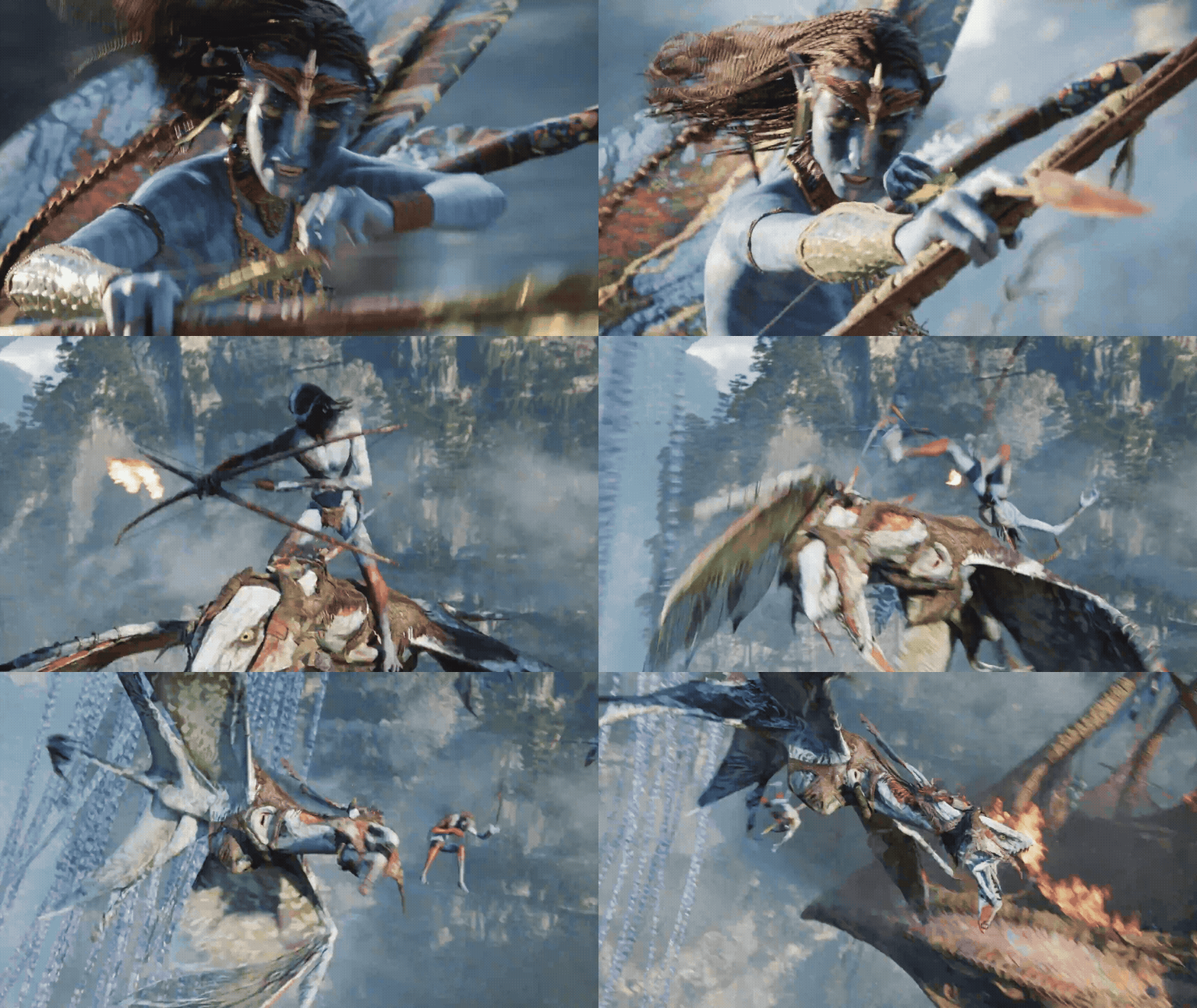
O T H E R T E M P L A T E W O R K
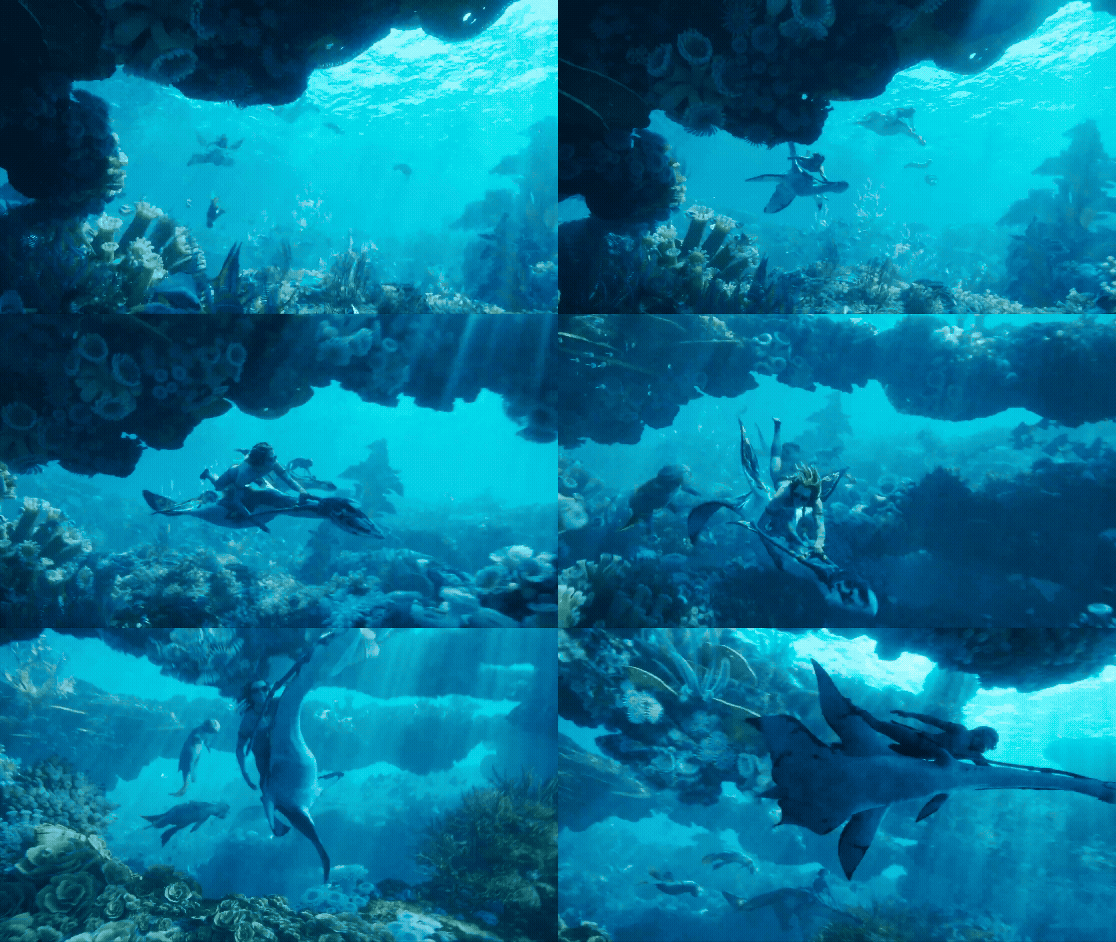
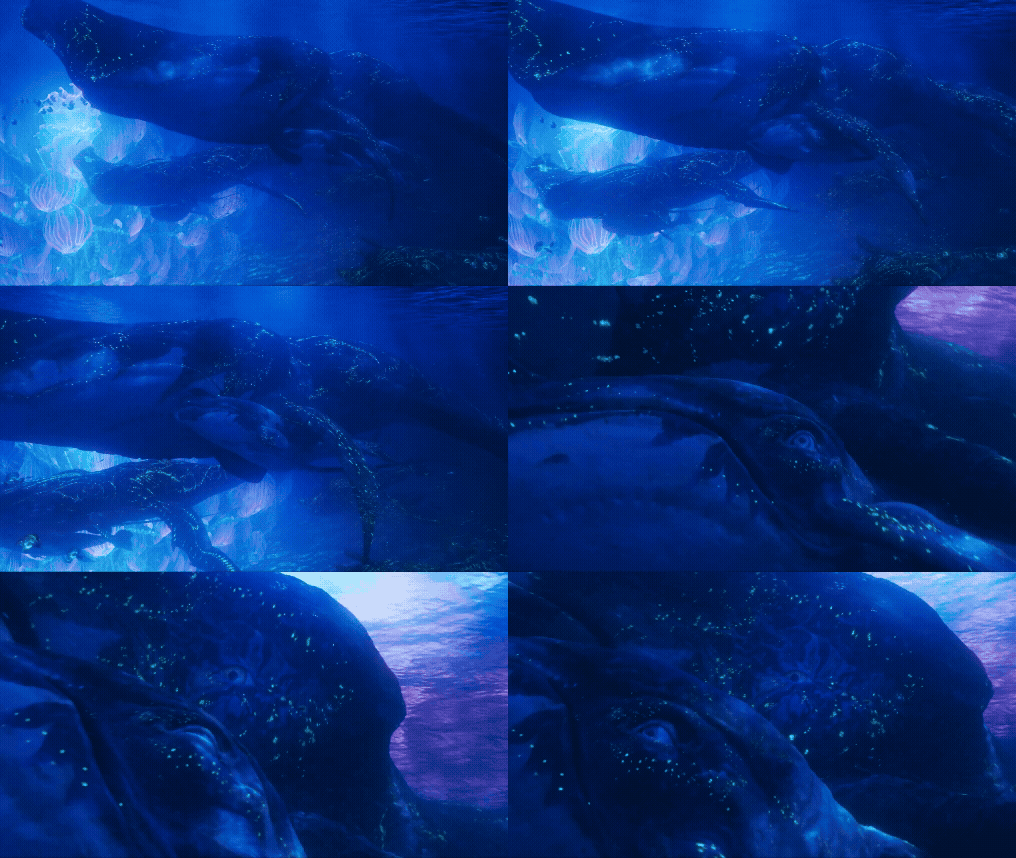
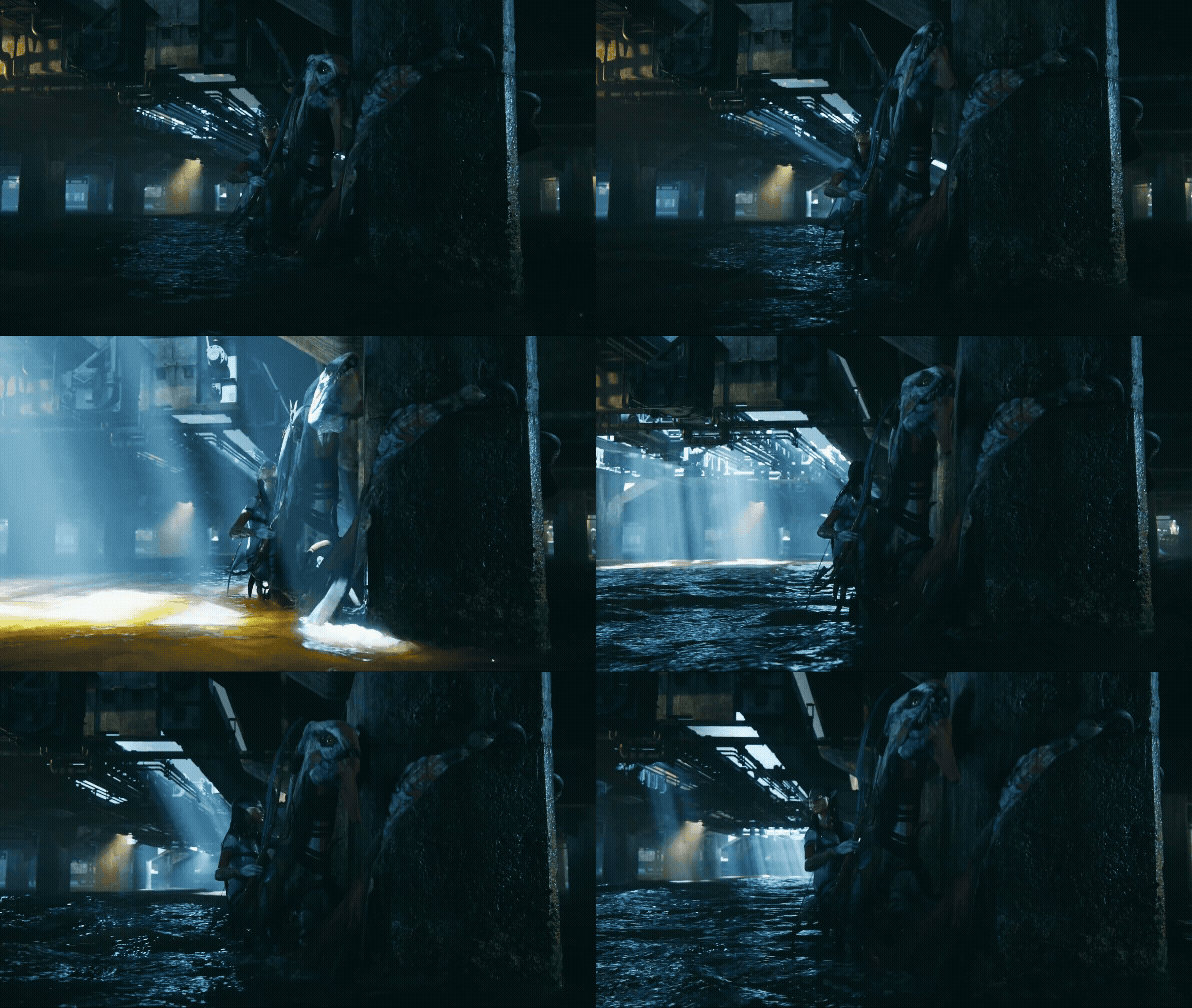
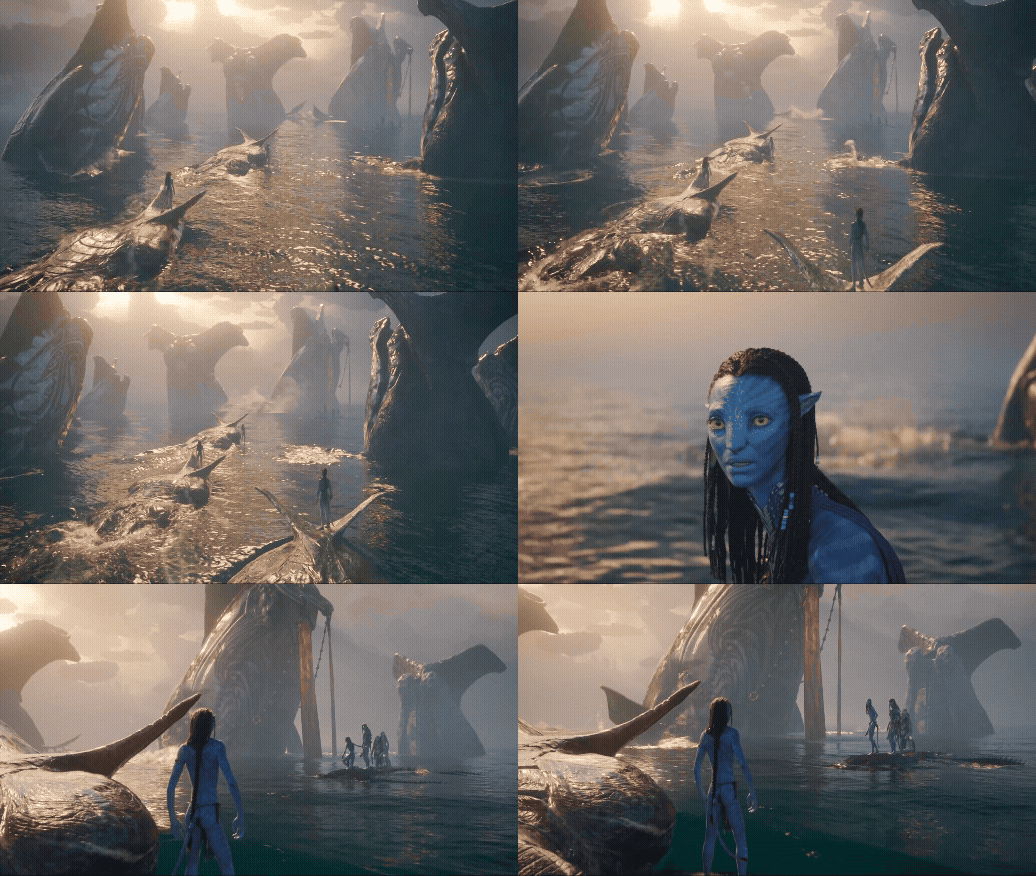
Responsible for hero template creature animation in the following vignettes
P R E V I S U A L I Z A T I O N
Sequence Lead | Sequence Supervisor: Steve Deane
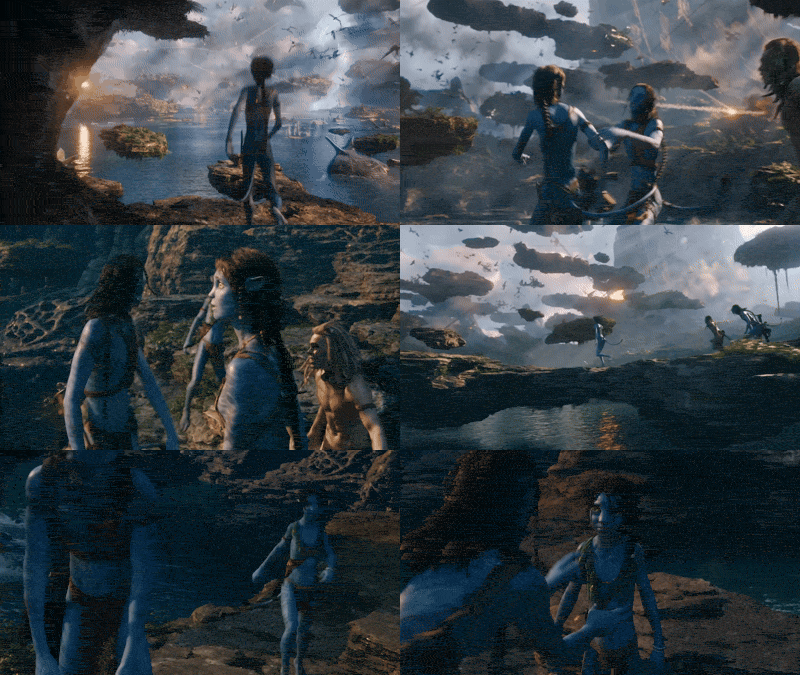
Rock Spit
Responsible for: Mocap Stitching + Scene Building
Dialogue scenes are always deceptively difficult. In this instance, we had to deal with a lot of scale issues / character contacts / eyelines / etc. The motion data for these characters came from multiple performance takes and somehow they all had to seamlessly fit together as if the actors had done the scene perfectly in one go. Overall it turned out to be a great exercise on how to properly stitch motion capture data!
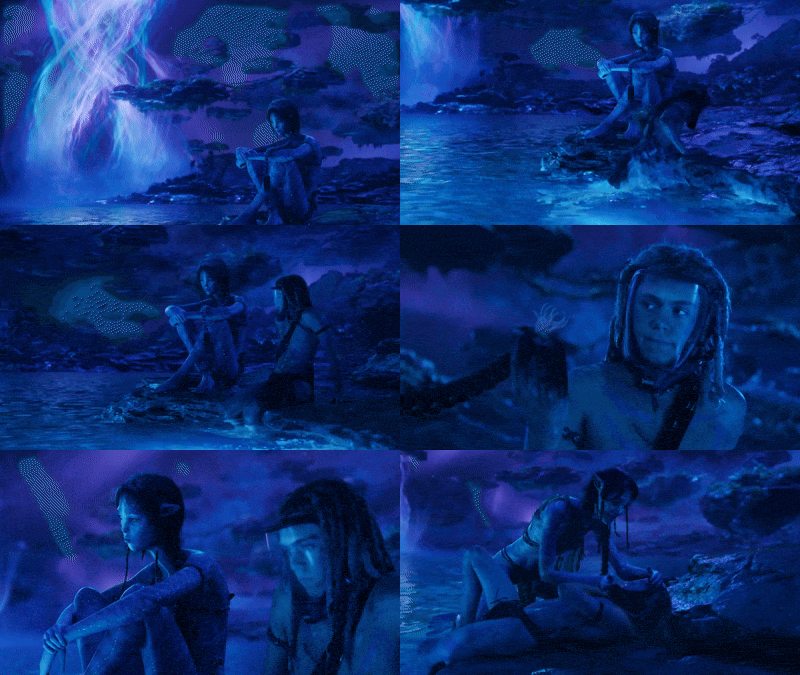
Tickle Rock
Responsible for: Mocap Stitching + Scene Building
This was probably one of the most straightforward scenes that I got to take lead on. The biggest factor here was doing a successful parent constraint switch on the digi double of Spider from surface of the water to the rock without seeing him pop. In the end, it all got replaced by live action Spider anyway, but at least previs matches! which is crazy because the height and timing of the water waves matched our previs 1:1!!
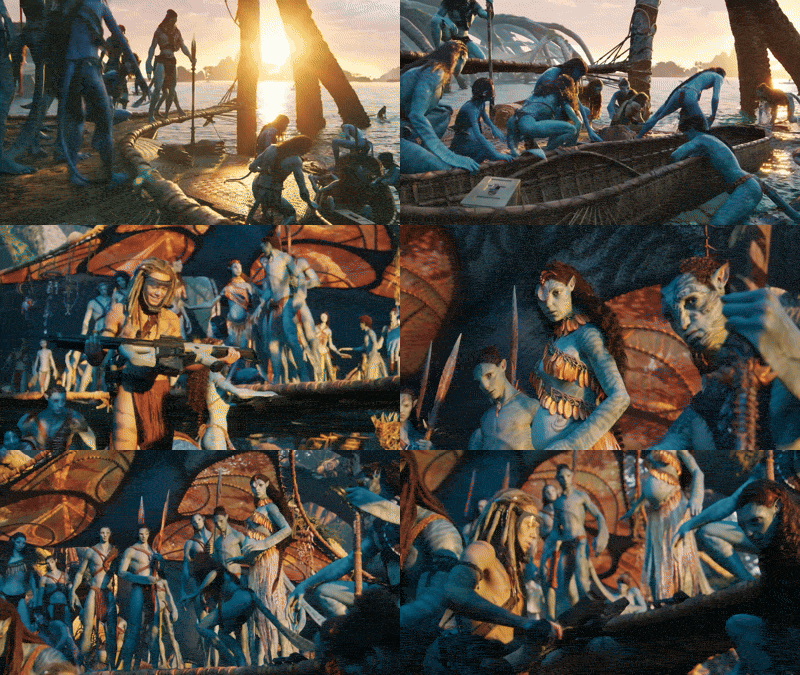
Weapons Prep
Responsible for: Mocap Stitching, Prop Animation, Scene Building
While the scene above was one of the easiest ones I got work on, this one was definitely one of the hardest. Not only are there so many characters + crowds— there are characters constantly passing weapons back and forth to one another. Building this scene really tested my knowledge on mocap stitching and constraints. While it was definitely not easy and very rough to get through, I ended up learning so many new technical skills from this experience.
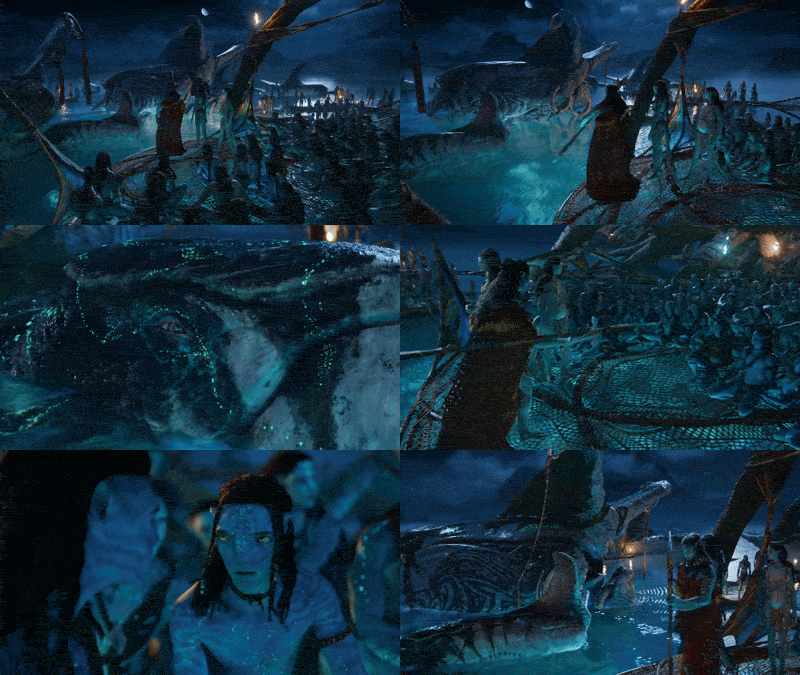
Tulkun Counsel
Responsible for: Scene Building
Another heavy crowd scene but luckily no one was really moving around or making contact with one another. This sequence was broken up into chunks and assigned to multiple artists since it’s pretty long. Part of my responsibilities was to help review everyone’s chunks and build it into a master scene that everything lived in one file.
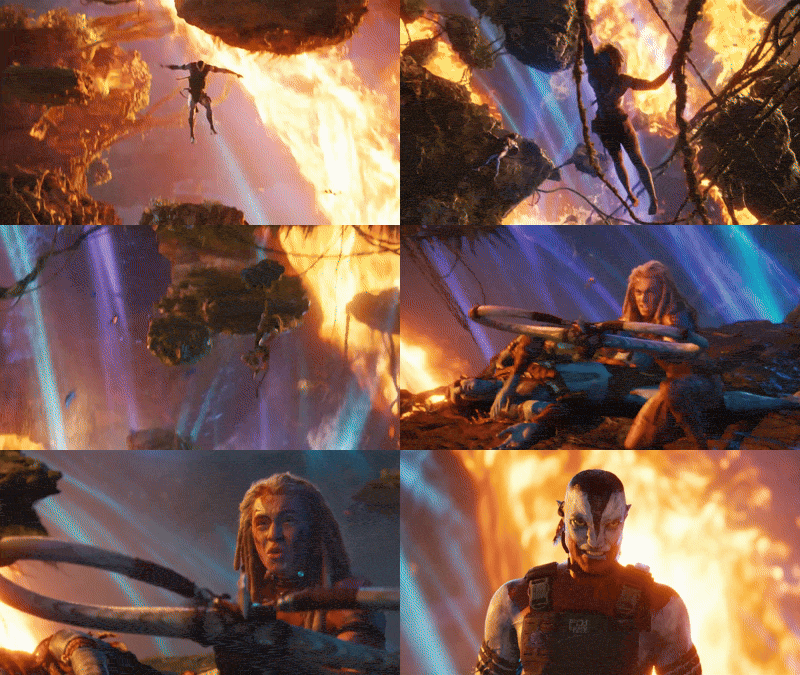
Spider Defends Jake
Responsible for: Mocap Stitching, Prop Rigging + Animation, Scene Building
The crossbow weapon was a last minute asset swap out and of course needed to be animatable. Instead of waiting for a rigger in our department to be available, I decided to do it myself because 1) I wanted to learn more about the rigging system in our proprietary software so I would have a better understanding of the requests I would be making in the future and 2) it couldn’t be that hard, right? Right?!
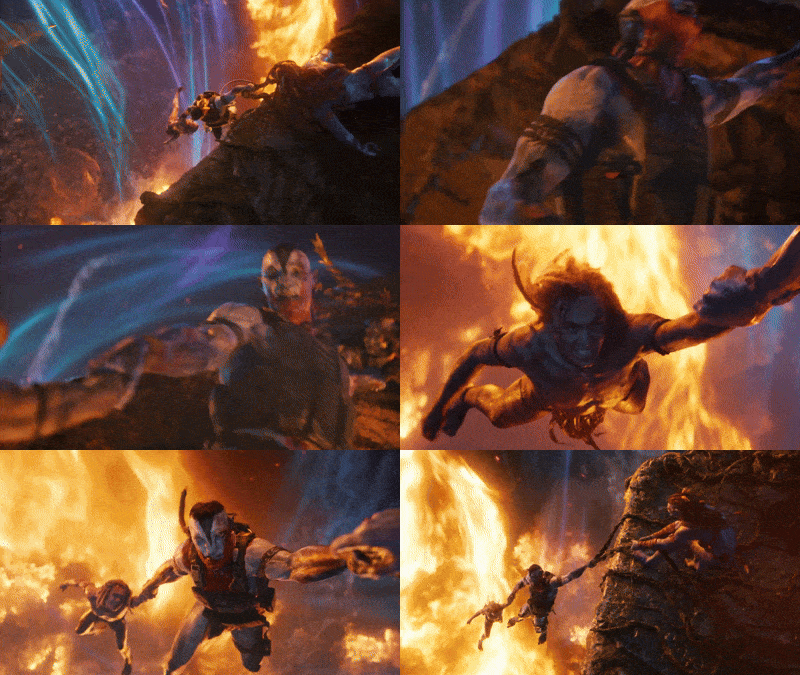
Jake Pulls Up Quaritch & Spider
Responsible for: Scene Building
This sequence was assigned to another artist to start building, but it was then my responsibility to review their work and help prep their file for the virtual camera stage. My goal as a lead was to always help train my artists to be comfortably independent; so when we provided stage support for a scene that they mainly built, I would find ways to encourage them to step up and only try to jump in if they needed help.
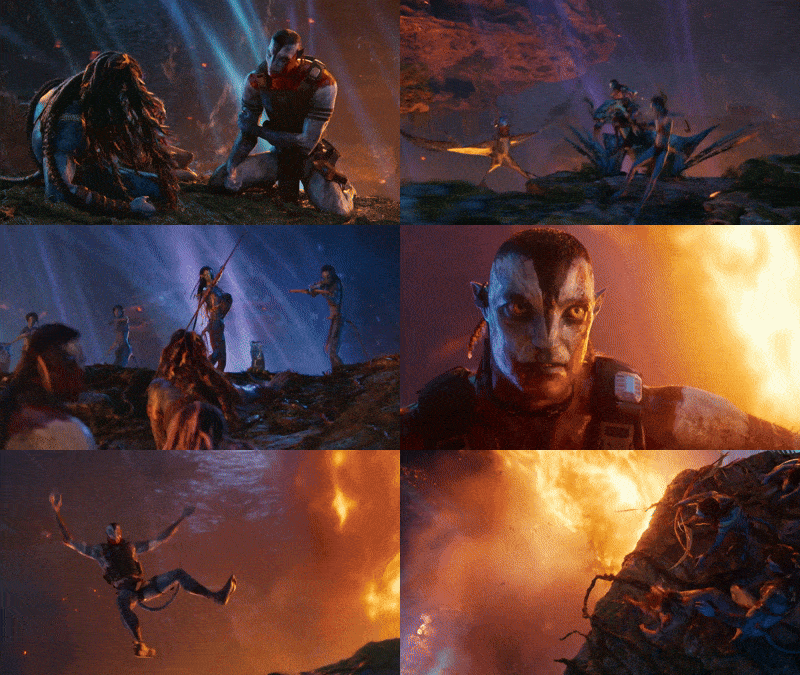
Sully Family Arrival
Responsible for: Mocap Stitching, Scene Building
This was another sequence mainly built by other artists on the team. It felt great though that we could divide and conquer this sequence (among others) into chunks and assign it out to multiple artists to help get the job done. Ultimately, the final file would of course need to be reviewed by either a lead or our supervisor.
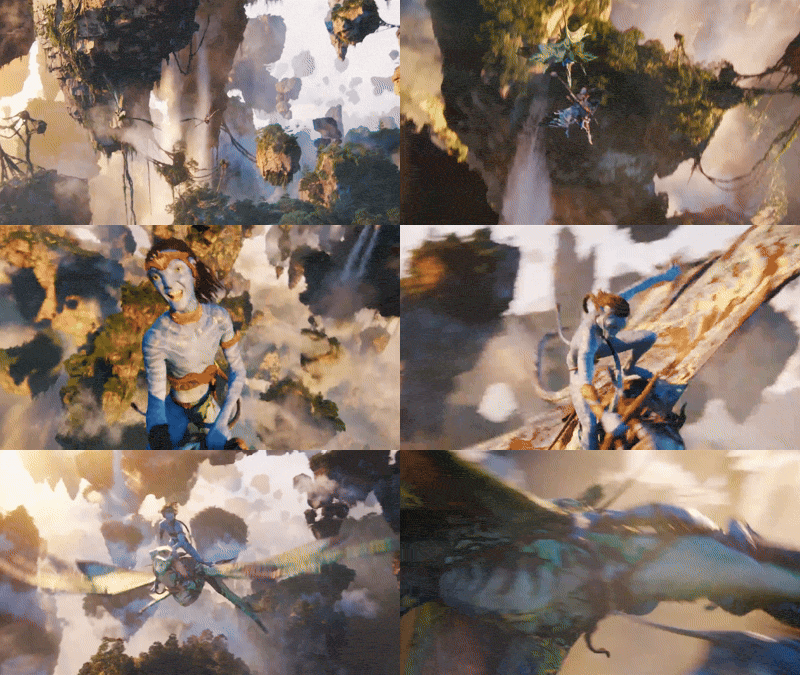
Dream Sequence
Responsible for: Template Creature Anim, Mocap Stitching, Scene Building
This sequence went through multiple challenging iterations. At first, the actors were motion captured to help block in some ideas without a clear idea of how they would be flying. From there, it was then my job to take the data and build out two flight paths while also needing to factor in where the cameras might be. Once the new flight paths were approved, we then sent it back down to the mocap stages and repeated the process again and again until the director was finally happy with the final result.